ServicesSecurity Window Film
Security Window Film in Stafford
Security window film is a thick, clear layer that adheres to the inside of your glass. When a window is struck, the film holds the pieces together instead of letting them fall into the room. We explain what it can and can't do, then fit the right thickness for each window.
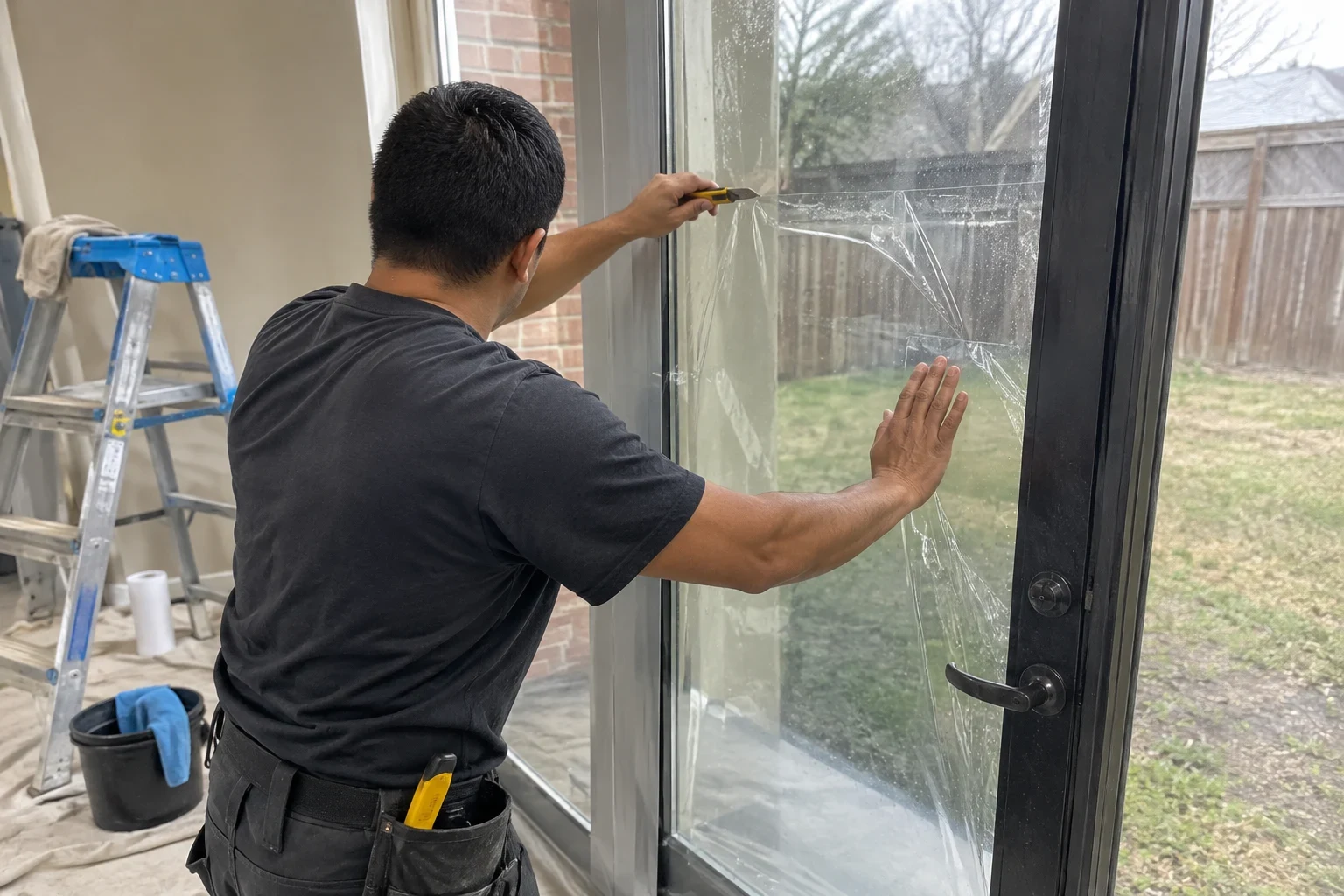
What security film does, in plain terms
Ordinary glass breaks into sharp pieces that drop out of the frame. Security film is a tough polyester layer, much thicker than standard tint, with a strong adhesive. When the glass cracks, the film keeps the fragments stuck to it, so the pane stays in the frame as one sagging sheet instead of an open hole.
We want to be straight about one thing: film does not make glass unbreakable. What it does is slow someone down. A burglar who expects one quick smash meets a pane that takes repeated hits and makes a lot of noise. That delay is often enough to send them elsewhere. The same holding power helps when a branch or loose debris hits a window during Gulf Coast storms, keeping glass off your floor and out of your family's way.
It suits homeowners worried about ground-floor windows, sliding doors and sidelights, and business owners protecting storefronts and offices. Most security films also block nearly all UV, and some come tinted for heat and glare control too.
What's included when we install security film
- A walk-through of your weak spots
- We look at every window and door you're concerned about and point out the ones a burglar would likely try first. Glass next to a door lock, low sliding doors and back windows hidden from the street usually top the list.
- Help choosing the right thickness
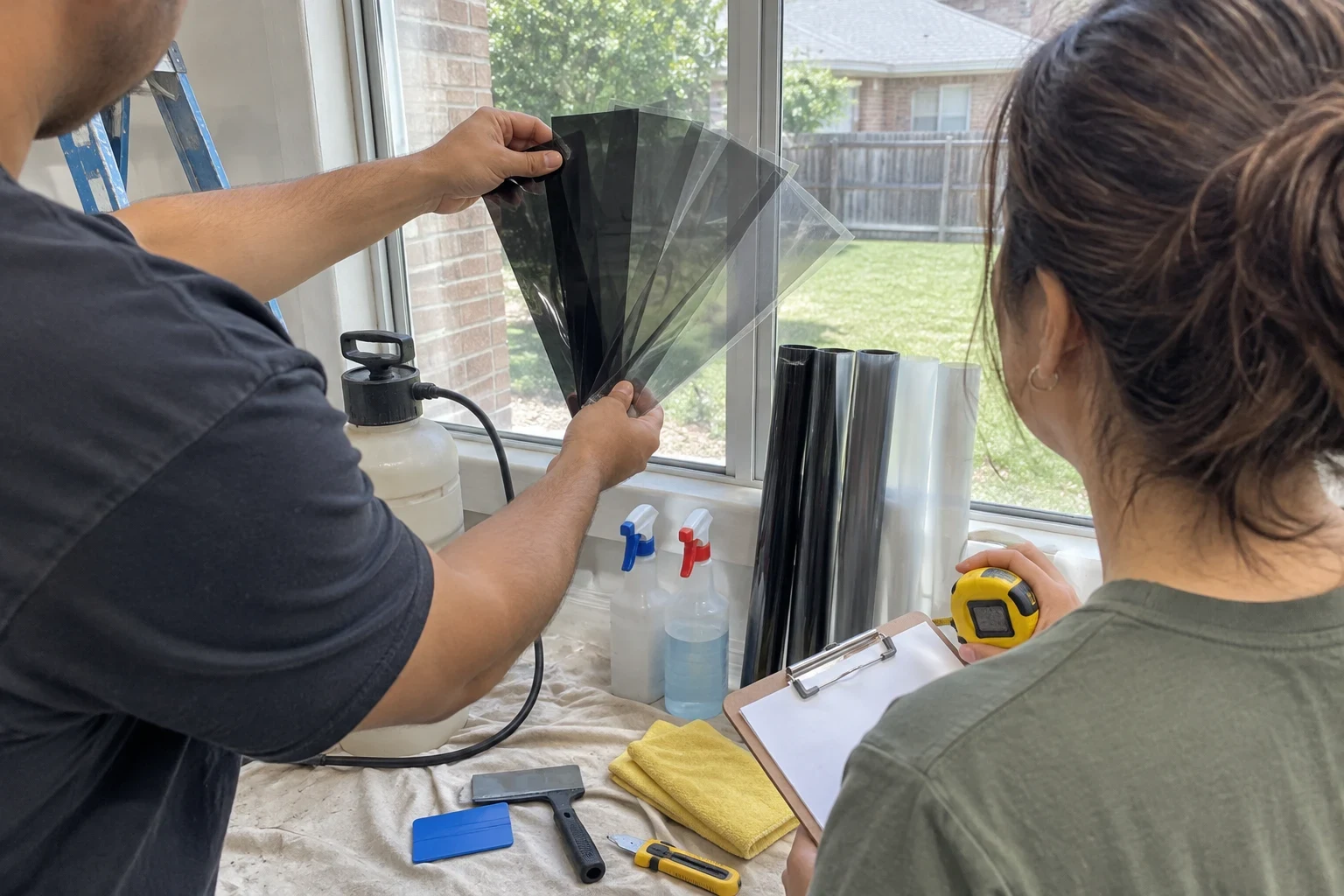
- Security film is measured in mils, or thousandths of an inch. Thinner films around 4 mils mainly keep glass from scattering, while 8 to 14 mil films resist more force. We explain the difference and recommend a thickness window by window, not one film for the whole house.
- Clear or tinted options
- If you only want protection, clear film leaves your view looking the same. If a room also runs hot or bright, a tinted security film adds heat rejection and glare reduction in the same layer.
- Edge attachment where it counts
- Film that stops at the glass edge can let the whole sheet push out of the frame. For high-risk openings, we can add an attachment system that bonds the film to the frame so the pane stays anchored.
- Careful installation and cleanup
- We protect sills and floors, clean each pane thoroughly, and leave your rooms the way we found them.
Signs security film makes sense for you
Glass right next to a lock
Sidelights and door glass let someone break a small area, reach in and turn the deadbolt. Film makes that reach-in much harder.
Large sliding or patio doors
These big panes face the backyard and are often out of sight from the street. They are a common entry point and worth reinforcing.
A recent break-in nearby
If neighbors or nearby businesses have had trouble, adding a layer of delay to your own glass is a sensible, low-disruption step.
Worry about storm debris
When wind throws branches or yard items at the house, you want broken glass to stay put instead of spraying across a room.
Kids, pets or busy walkways
Low windows and glass doors in playrooms, hallways or shop entrances can be bumped hard. Film keeps a cracked pane from turning into loose shards.
How a security film installation goes
- 1
A phone call first
You tell us which windows concern you and why. We ask a few questions about glass size and type, then set up a time to see it in person.
- 2
Measure and recommend
We measure each pane, check the glass type and frame condition, and explain your options in plain words. You get a clear quote before anything is ordered.
- 3
Prep and install
We clean the glass, apply the film with a slip solution, and squeegee out water and air so the adhesive bonds fully. Any attachment system goes on after the film is in place.
- 4
Curing and care
The film may look slightly hazy or show small water pockets for a few days to a few weeks while it cures, depending on thickness and weather. We tell you when it's safe to clean and what to use.
What affects the cost of security film
Security film is priced by the window, not by a flat house rate. Thicker film, more glass and added attachment all raise the price. We walk you through each choice so you can decide where the extra protection is worth it.
- Film thickness
- A thicker film uses more material and takes more care to install. Many people put heavier film on doors and back windows and lighter film elsewhere.
- Total glass area
- A few sidelights cost far less than every window on the ground floor. Large patio doors and storefront panes add up quickly.
- Attachment systems
- Anchoring the film to the frame adds labor and materials, but it's the step that keeps the pane from pushing in as one piece.
- Clear versus tinted
- Adding heat rejection or a tint to the security layer changes the film price and is worth weighing if the room also gets hot.
- Access and glass condition
- High windows, tight spaces or glass that needs extra cleaning before film goes on can take more time.
Security window film questions
Something not covered here? (281) 688-5219
Will security film stop someone from getting in?
It won't make a window impossible to break, and anyone who promises that is overselling. What it does is hold the glass together so getting through takes repeated blows, time and noise. Most break-ins depend on speed, so that delay is the real value.
Can I see out normally after it's installed?
Yes, with clear film your view looks almost the same as before. If you choose a tinted security film, the glass will look somewhat darker, like other tinted windows.
Does it help during hurricanes and tropical storms?
It helps keep broken glass from scattering into the room if debris strikes a window. It is not a replacement for storm shutters or impact-rated windows, and we'll tell you that honestly. Many people use film as one added layer.
Will it work on my double-pane windows?
Usually, yes. We check the glass type and size first, because some films absorb more heat than others and the wrong match can stress certain glass. If a film isn't a good fit for a window, we'll say so and suggest an alternative.
Can businesses use it too?
Yes. Storefronts, office entrances and ground-floor conference rooms are common spots. If you also need glare control or privacy, our commercial window tinting and privacy window tinting pages explain those options.
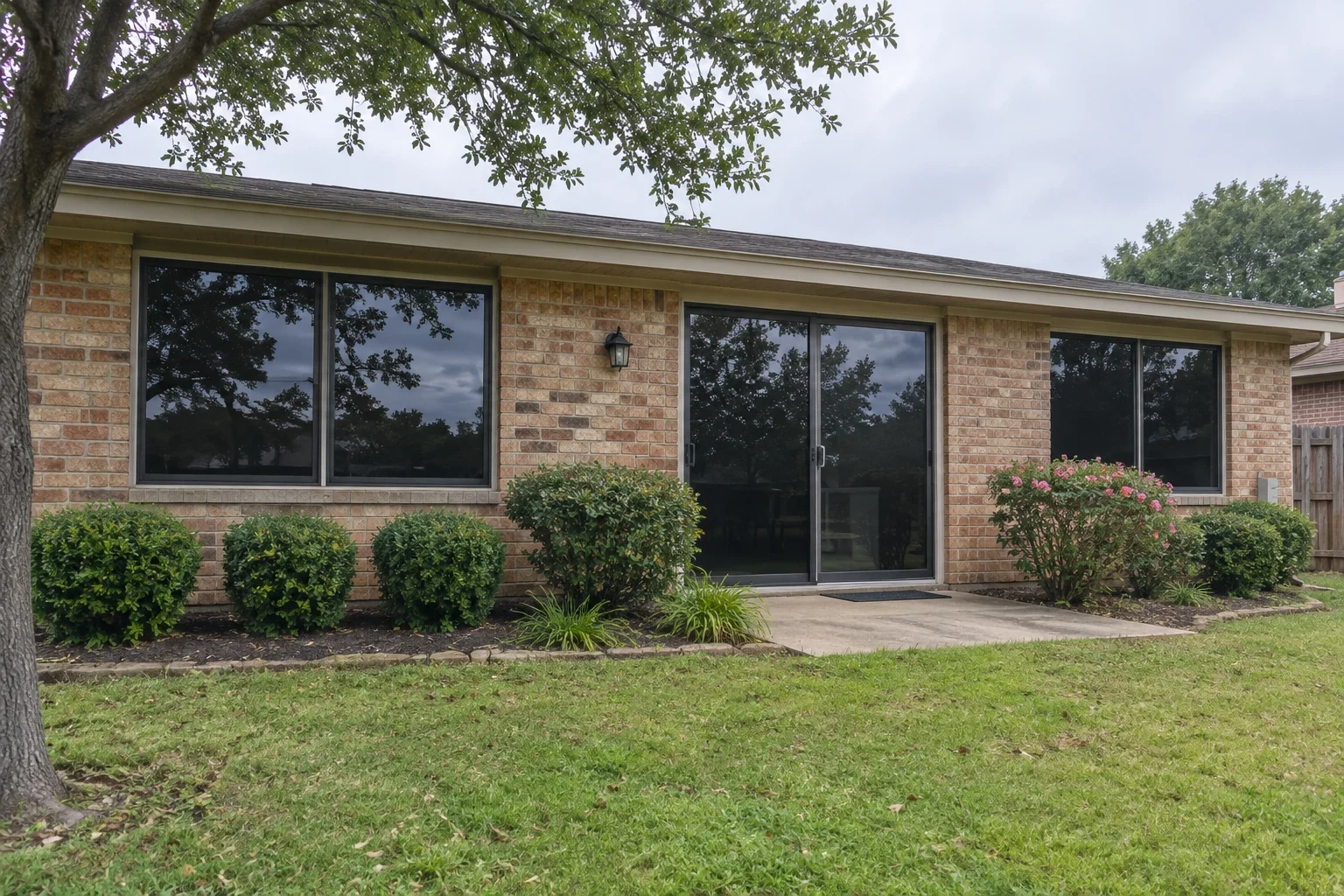
Find out which windows need it most
Tell us about the doors and windows that worry you. We'll explain the thickness options in plain terms and give you an honest recommendation, even if it's fewer windows than you expected.